
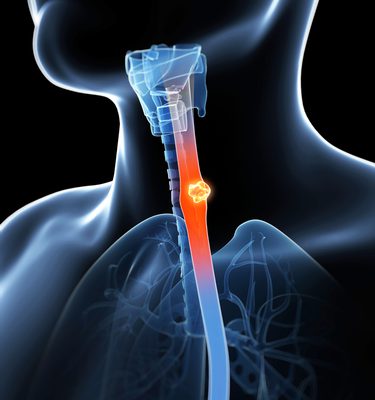
There are several subtypes, although most are characterized by the presence of symptoms such as dysphagia (difficulty swallowing or swallowing), pain, weight loss, among others; and are diagnosed by biopsy. Small, localized tumors are usually treated surgically, while advanced tumors require chemotherapy, radiation therapy, or a combination of both. The prognosis, which depends, among other things, on the extent of the tumor and the associated medical complications, is usually bad.
Factors that increase the risk
- Age. The majority of patients are over 60 years old, and the average in the US is 67
- Gender. It is more common in men
- Heredity. It is more likely in people who have close relatives with cancer
- Smoking as well as ingesting large amounts of alcohol, increase the risk of the onset of this condition, and together increases the probability even more than each one separately.
- Some dietary substances, such as nitrosamine
- History of other tumors in the skull or neck, including esophageal cancer.
- Plummer-Vinson syndrome
- Tylosis and Howel-Evans Syndrome (hereditary thickening of the soles of the feet and palms)
- Radiation therapy for other conditions in the mediastinum
- Gastroesophageal reflux disease and Barrett’s esophagus increase the risk of esophageal cancer due to chronic irritation of the mucosa (adenocarcinoma is more common in this condition, while all other risk factors predispose more to squamous cell carcinoma)
- Obesity quadruples the risk of developing adenocarcinoma
- Achalasia predisposes to the development of cancer