
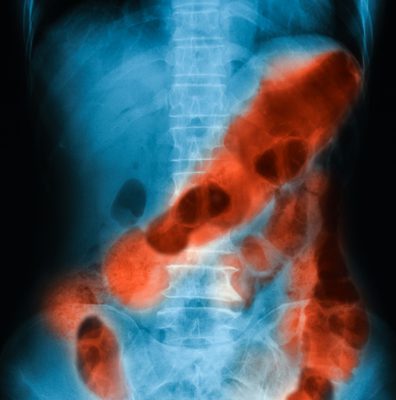
Refers to any bleeding originating from the digestive tract. Bleeding can come from anywhere along the digestive tract, but it is often divided into:
- Upper GI bleeding: The upper digestive tract includes the esophagus (the tube connecting the throat with the stomach), stomach, and upper portion of the small intestine.
- Lower GI bleeding: The lower digestive tract includes most of the small intestine, large intestine, rectum, and anus.
Gastrointestinal bleeding may be a sign of a serious disease and condition, such as the following GI cancers:
- Colon Cancer
- Small Intestine Cancer
- Stomach Cancer
- Intestinal polyps (a precancerous condition)
Other possible causes of gastrointestinal bleeding include:
- Abnormal blood vessels in the lining of the intestines (also called angiodysplasia)
- Diverticular bleeding or diverticulosis
- Celiac sprue or Crohn’s disease
- Esophageal varices
- Esophagitis
- Gastric ulcer (stomach)
- Mallory-Weiss tear
- Meckel’s Diverticulum